October 1, 2024
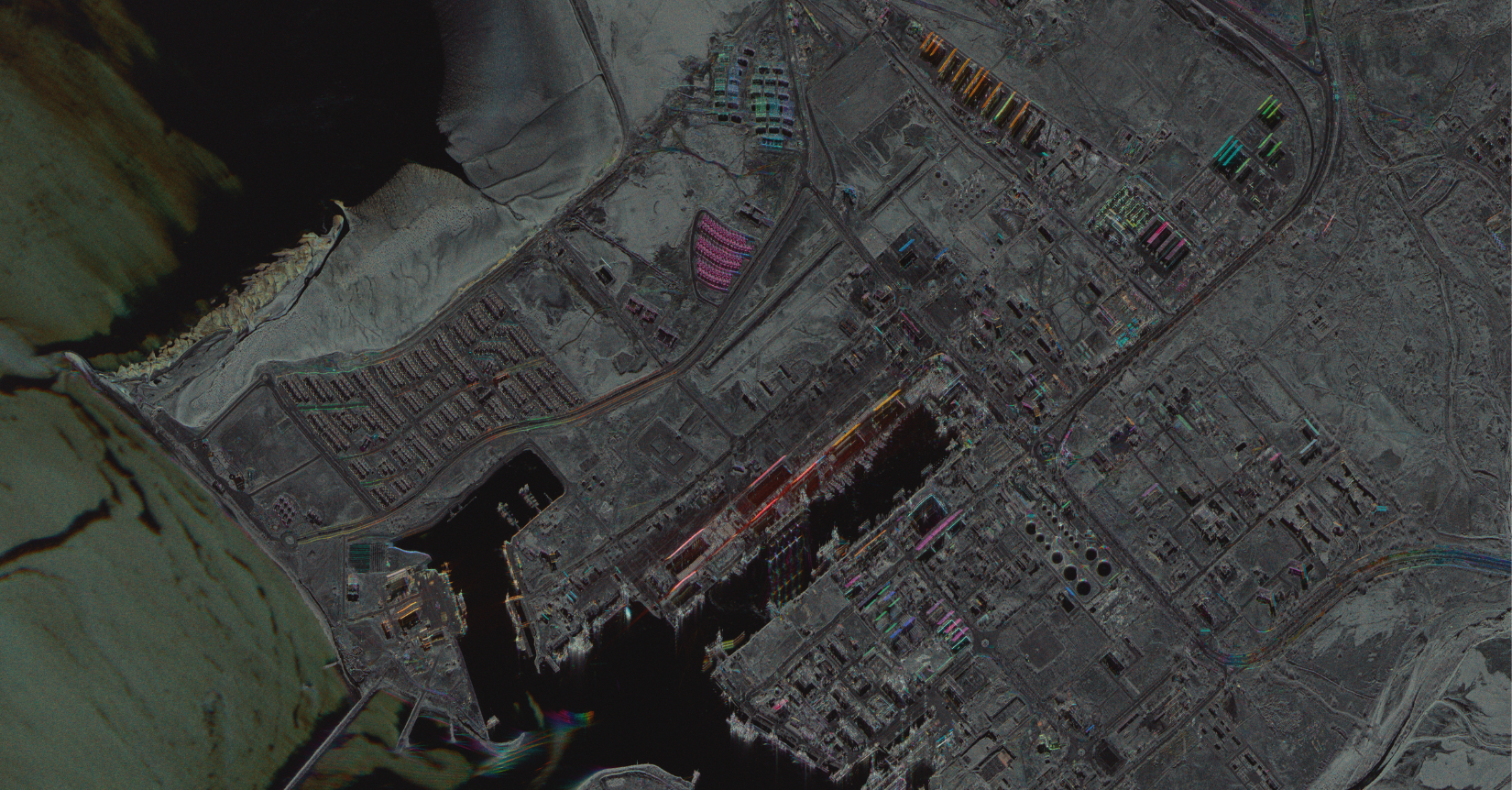
Capella Space has introduced a significant advancement in commercial synthetic aperture radar (SAR) imagery by releasing full-resolution single look complex (SLC) images. This change to Capella's flagship spotlight product achieves an unmatched 0.05 m theoretical azimuth resolution.
Breaking Through Expectations
When we launched our first commercially available SAR satellite in 2020, we aimed to not just produce the highest resolution commercial SAR imagery, but also the best quality. In our analysis, we found tremendous value from increased angular diversity which led us to develop our flagship spotlight imagery with an unprecedented long-dwell, which was used to produce 9 azimuth looks, each with a 0.5 m resolution in the detected products (GEO, GEC, and SIDD). You can see in the example below the greater detail and clarity that the 9-look imagery provides. At the time, all SAR imagery produced by US companies were restricted to no better than 0.5 m resolution, thus limiting what Capella was able to provide to our global customer base. Therefore, even when our imagery was collected with a 23 – 43 second spotlight duration and a 16-degree synthetic aperture, Capella was required to form single-look SLCs using only 1/9th of the collected data. These regulations were recently modified, allowing Capella to deliver our single-look SLCs at the theoretical full-resolution of 0.05 m, maximizing the available information to users in all product types. For users with their own custom SLC processor, this change is also reflected in our Compensated Phase History Data (CPHD) products.
.png)
Polar Format Algorithm (PFA): The Key to Efficiency
Processing full-dwell synthetic aperture radar data can be computationally intensive. To efficiently generate full-resolution imagery, Capella now uses our internally- developed Polar Format Algorithm (PFA)1. PFA is ideal for spotlight mode and provides native support for image formation and metadata descriptions.2
Capella’s PFA enables:
- Native alignment of the spectrum across the scene
- Easier application of techniques such as Phase Gradient Autofocus and Spatially Variant Apodization
- Simple to apply consistent windowing to entire scene2
- Compatibility with USG legacy spotlight processing toolchains
With Capella’s formulation of PFA there is no difference of focus quality compared to back-projected images.
Understanding Resolution, Dwell Time and Angular Diversity
While the theoretical resolution of the single-look SLCs is impressive, the actual achievable resolution depends on several factors:
- Target scattering characteristics
- System noise during the collection
- Position knowledge accuracy
- Quality of the auto-focus method (if) applied
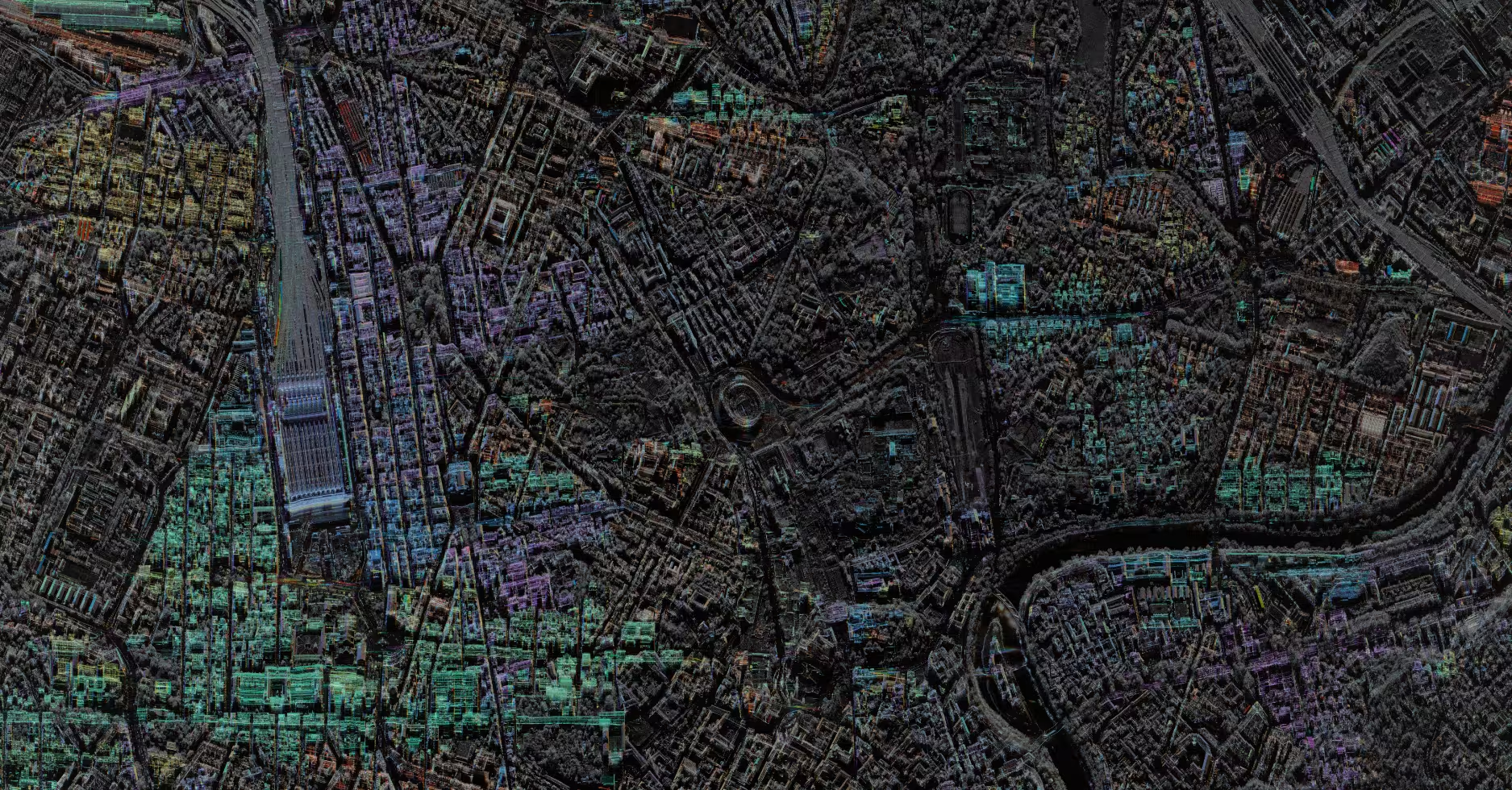
In addition to offering high resolution, Capella’s long-duration spotlight images offer advantages in image quality that continue to unlock new capabilities and use cases for SAR, such as advanced techniques like VideoSAR (aka dynamic imaging) and colorized sub-aperture imaging (CSI).
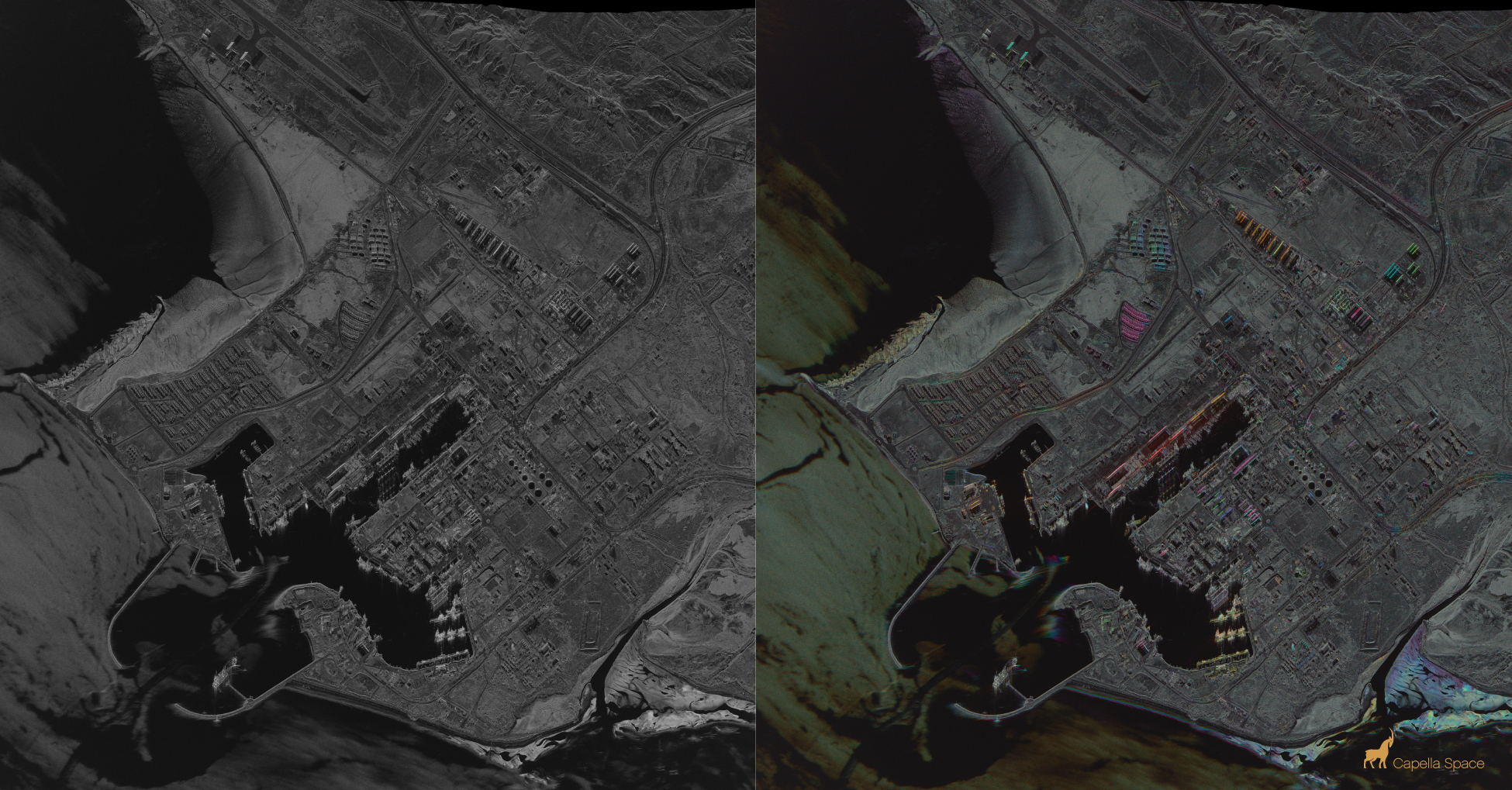
Figure 3: Example of VideoSAR technique for analyzing moving vessels around Alcatraz, CA, USA.
Figure 4: CSI Video over Antigua
These techniques can highlight moving targets and different features in the imagery compared to shorter-dwell images. While Capella already provides CSI imagery for many collections, the full-resolution image allows users to customize the framing or colorization process for their specific applications.
Users can generate their own versions of CSI and VideoSAR using various SAR software toolkits or standard programming languages such as Python or MATLAB. The National Geospatial-Intelligence Agency (NGA) provides SARpy and MATLAB_SAR toolkits that can read SICD-formatted SLCs to perform these operations.
Capella's Commitment to Quality
Capella's imagery continues to set the benchmark for quality and value in the industry. While some competitors occasionally collect long aperture data, Capella delivers it consistently, as you can see in our Open Data catalog. Download our full-resolution complex data products today!
1Ryu, J. and C. Stringham, “Capella Polar Format Processor with Terrain Correction”, in 15th European Conference on Synthetic Aperture Radar (EUSAR 2024), April 2024.
2Doerry, A., “Basics of Polar-Format Algorithm for Processing Synthetic Aperture Radar Images”, Sandia Report #SAND2012-3369, May 2012, doi:10.2172/1044949.
Learn more about our innovative technology at capellaspace.com/technology
Curious Which Of Our Analytics Partners
Can Support Your Mission?
Contact our team to explore the possibilities. Our experts can help
you determine the optimal solutions for your unique needs.

Keywords
Stay Informed. Stay Ready.
Get briefings on new capabilities, technology improvements, and upcoming events.


.avif)